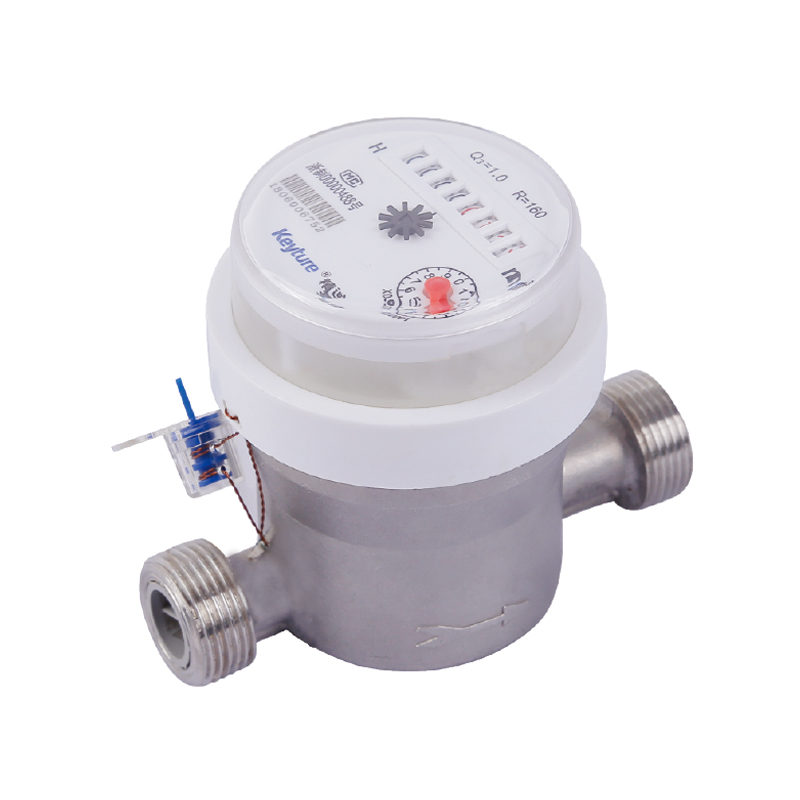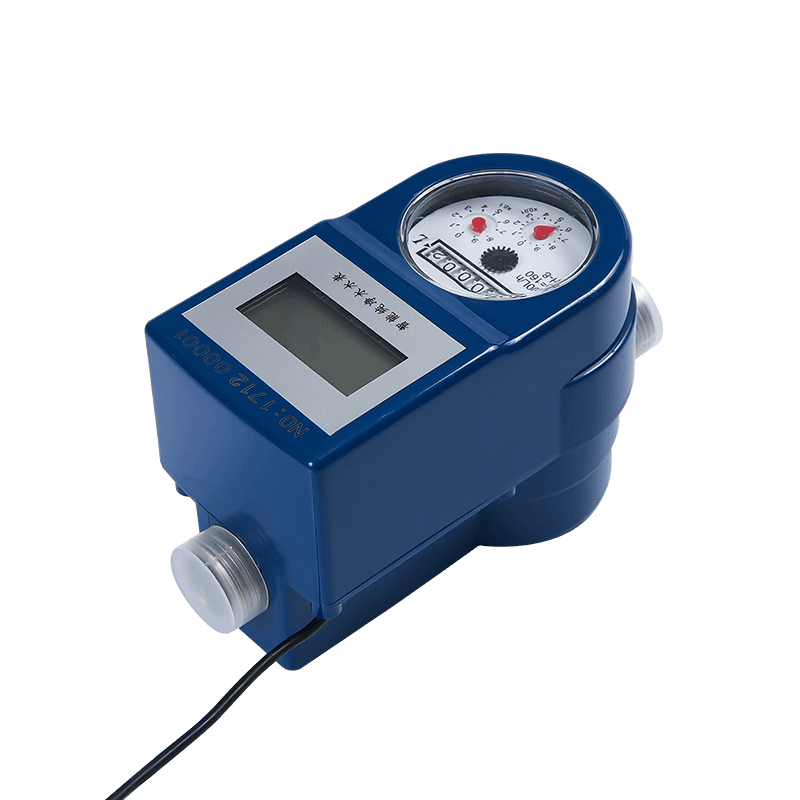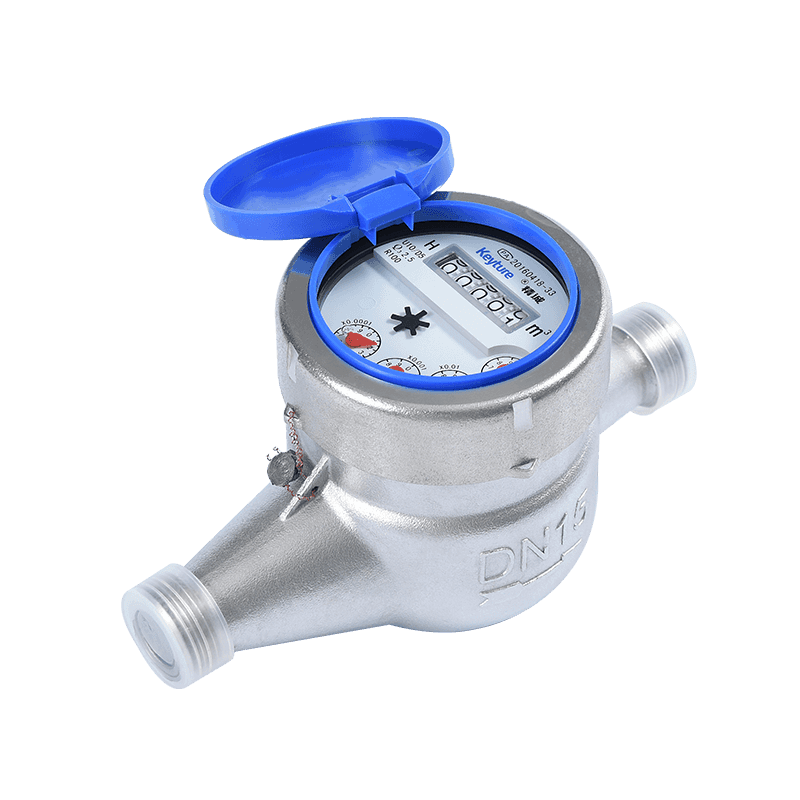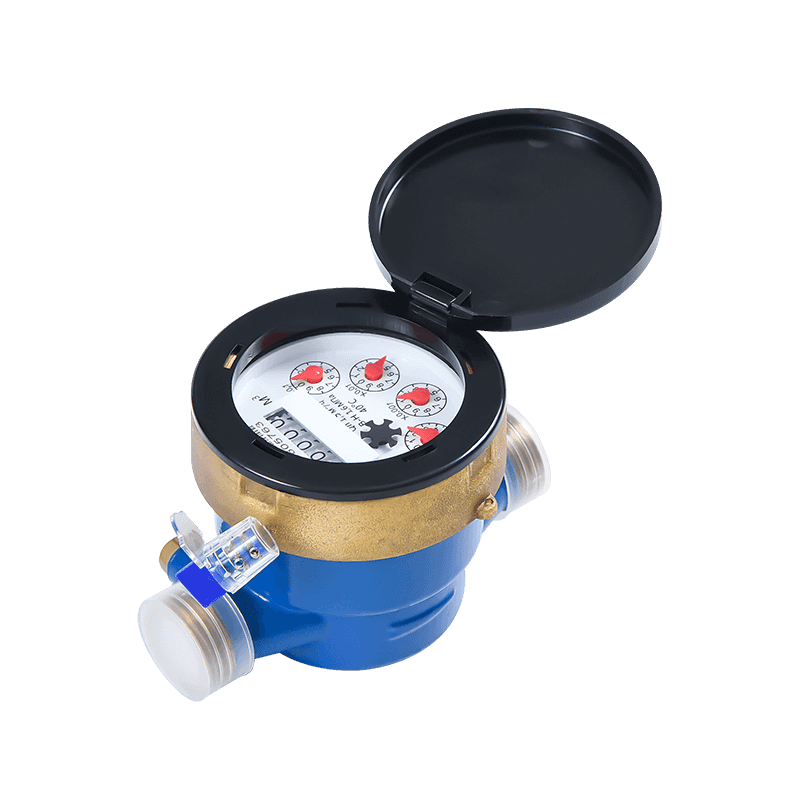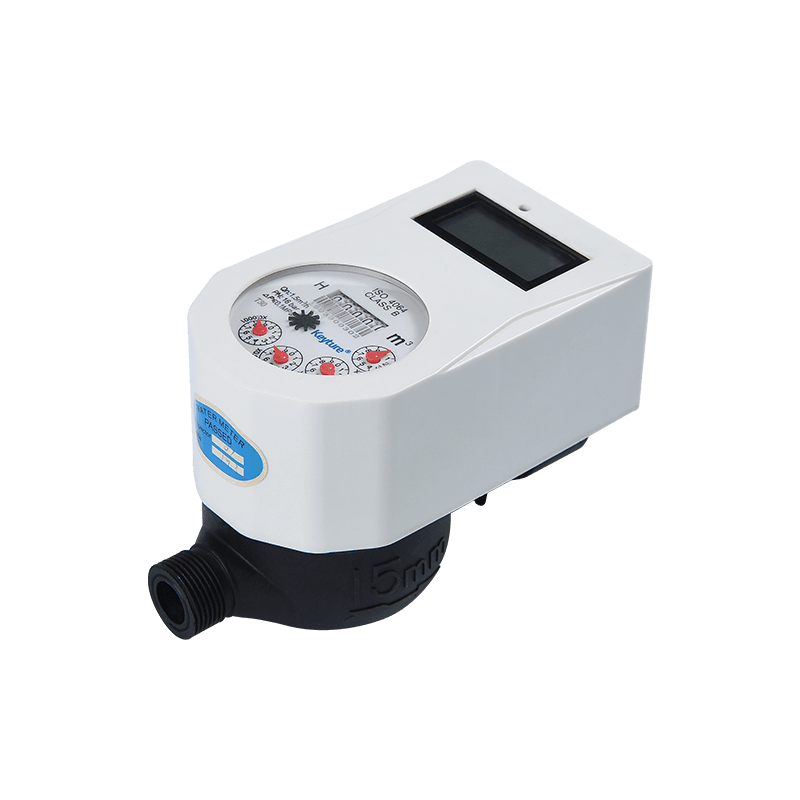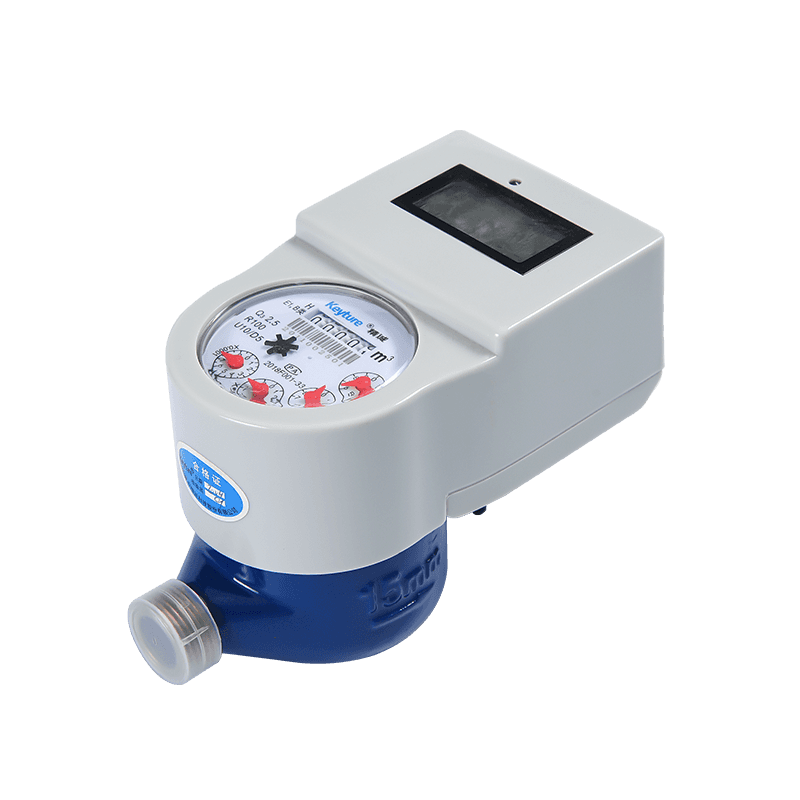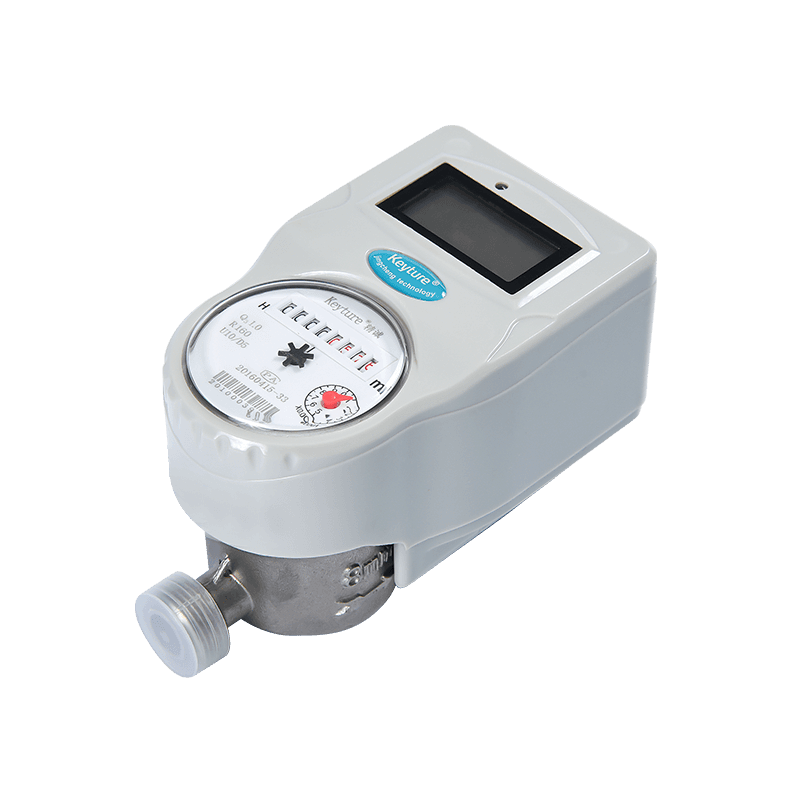



The residential water metering landscape has shifted from purely mechanical registers to fully electronic, data-driven systems. At the heart of this transformation lies the residential smart water meter – a device that not only measures consumption but also communicates, analyses, and alerts. For property owners, facility managers, and installation professionals, understanding the nuances of digital meter water technology, the variety of water smart meter architectures, and the critical house water meter thread size specifications is essential for making informed purchasing and installation decisions. This guide delivers a deep-dive technical overview, comparing measurement principles, performance parameters, and physical fitting standards, all while avoiding brand endorsements and focusing purely on engineering facts.
Electronic sensing eliminates mechanical wear, enabling detection of flows as low as 0.007 m³/h – far beyond the capability of traditional turbine meters.
Integrated NB‑IoT or LoRaWAN modules push hourly consumption logs to the cloud, removing the need for manual reading and enabling remote leak detection.
With IP68 protection and no moving parts in ultrasonic designs, these meters withstand submersion, sediment, and temperature extremes for decades.
The term digital meter water encompasses any device that converts flow into an electronic signal. Unlike mechanical meters that rely on impellers or pistons, digital meters use ultrasonic, electromagnetic, or optical sensing. The table below compares the core operational differences without mentioning any specific brands.
| Measurement principle | Ultrasonic / Electromagnetic / Optical | Mechanical (turbine, piston) |
| Moving parts | None (ultrasonic/electromagnetic) | Yes – prone to wear |
| Start‑up flow (DN15) | 0.007 m³/h | 0.03 m³/h |
| Accuracy over lifetime | Stable (no drift) | Degrades with bearing wear |
| Susceptibility to dirt | Low (no obstruction) | High (impeller jamming) |
| Data output | Digital pulse / wireless | Pulse or mechanical dial |
For residential applications, the elimination of moving parts in a digital meter water translates to lower maintenance costs and higher billing accuracy, especially in areas with hard water or occasional debris.
When evaluating a residential smart water meter , three parameters dominate: turndown ratio (R) , accuracy class , and flow range . The following interactive-style cards and visual bars clarify these without complex jargon.
R = Q₃ / Q₁. A higher R means the meter accurately measures both very low and high flows. Typical R values for modern devices:
* R400 represents the highest commercially available class for residential meters, allowing detection of drip leaks while still measuring full garden irrigation.
Per GB/T 778-2018 and ISO 4064, residential meters are Class 2. This means:
However, many digital meter water designs achieve tighter tolerances in the low zone due to electronic stability.
Q₄ (overload) = 3.125 m³/h
Q₃ (permanent) = 2.5 m³/h
Q₂ (transitional) = 0.025 m³/h
Q₁ (minimum) = 0.010 m³/h
This wide range ensures the meter responds to a dripping tap (≈0.005 m³/h) as well as a full‑flow shower (≈0.7 m³/h).
The term water smart meter covers several distinct technologies. Each has unique strengths; the choice depends on water quality, installation environment, and required data granularity. Below we compare the three most common architectures.
Uses two piezoelectric transducers that send and receive sound waves in both directions. The time‑difference is directly proportional to flow velocity. No moving parts, excellent low‑flow sensitivity, and immune to magnetic interference. Best for high‑accuracy residential applications.
Faraday’s law – a magnetic field induces voltage in the moving conductive water. Very linear, no pressure loss, but requires a minimum conductivity (typically >5 μS/cm). Suitable for clean municipal water.
Adds an optical reading module to a traditional mechanical register. It captures the position of the dials and transmits the digits electronically. Cost‑effective but still has mechanical parts, hence lower long‑term stability.
For most residential environments, ultrasonic water smart meter models offer the best trade‑off between accuracy, durability, and maintenance‑free life.
One of the most frequent installation pitfalls is mismatching the house water meter thread size with the existing plumbing. Residential meters conform to ISO 228-1 (G threads) for the meter body and ISO 7-1 (R threads) for the connecting pipe ends. The following table lists the standard thread sizes for common nominal diameters (DN). All measurements are in millimetres and use the 55° Whitworth thread form.
| Nominal diameter | Meter connection thread | Pipe thread (male) | Meter body length |
| DN15 (½″) | G ¾ B | R ½ | 165 mm |
| DN20 (¾″) | G 1 B | R ¾ | 195 mm |
| DN25 (1″) | G 1¼ B | R 1 | 225 mm |
| DN32 (1¼″) | G 1½ B | R 1¼ | 230 mm |
| DN40 (1½″) | G 2 B | R 1½ | 260 mm |
Key notes: The “G” series are parallel (non‑sealing) threads – the seal is made by a washer or O‑ring at the joint face. The “R” series are tapered threads that seal by the thread interference. When replacing an existing meter, always measure the thread type and length, as even slight differences can cause leaks or inability to fit.
Correct installation ensures the stated accuracy and longevity. Follow these guidelines regardless of the chosen residential smart water meter :
Adhering to these steps will preserve the factory calibration and prevent premature failure.
The accuracy of a water smart meter varies with flow rate. The following graphic illustrates a representative error profile for a Class 2 ultrasonic meter (DN15). The horizontal axis shows flow as a percentage of Q₃; the vertical axis is the percentage error.
The error is negligible above 20% of Q₃, with a slight positive deviation at extremely low flows – well within the ±2% limit for the high-flow zone.
While digital meter water designs are inherently robust, periodic checks are advisable. For ultrasonic and electromagnetic meters, the electronics are self‑diagnosing – they can report signal strength, battery status, and internal temperature. Visual inspection for external damage, and verifying the flow reading against a known volume (e.g., a 10‑litre container) every two years ensures confidence.
If a drift is suspected, the meter can be recalibrated by a certified lab. However, most residential meters are designed for a 10‑15 year service life without factory adjustment, thanks to the stability of quartz timers and solid‑state sensors.
Yes, if it has an IP68 rating and a UV‑resistant housing. Ensure the operating temperature range matches your local climate (most are rated -10 °C to 55 °C).
The meter continues to measure mechanically (if it has a mechanical backup) or stores the last readings. Batteries are non‑replaceable but designed for 10 years – the meter is usually replaced when the battery expires.
Check the house water meter thread size chart above. If your pipe is DN15, you need a meter with G¾B connection; if DN20, choose G1B. Adapters are available but not recommended as they add potential leak points.
Most use NB‑IoT for deep indoor penetration or LoRaWAN for rural areas. The meter sends daily or hourly usage packets to a central server – no Wi‑Fi or user configuration needed.
Continuous low flow patterns trigger an alarm, allowing immediate action before water damage occurs.
Magnetic field sensors and tilt switches detect attempts to manipulate the meter, enhancing revenue protection.
Up to 365 days of hourly data stored locally, so even if communication fails, the full record is preserved.
Integrated shut‑off valve allows utilities or homeowners to turn water on/off remotely – ideal for vacation homes or emergency shut‑off.
This comprehensive overview of the residential smart water meter , its digital meter water technology, the various water smart meter architectures, and the essential house water meter thread size specifications provides all the technical data needed for specification, installation, and long‑term management. By focusing on engineering facts and real‑world performance, we empower professionals to make decisions that improve accuracy, reduce waste, and lower operational costs – without relying on any particular brand or supplier.
SebelumnyaNo Seterusnya article
nextBolehkah Panas Air Panas Menyebabkan Merayap pada Meter Air Anda

Address: No.168, Linmu Rd., Zon B, Jiangbei Investment Park, Ningbo, Zhejiang, China
Tel: +86-0574-83090480/+86-18892665118
Fax: +86-0574-83021045
Email: [email protected]
Web: https://www.keyturemeter.com/
Pautan cepat
Produk
Terminal mudah alih